Leadership and Relationships: What Success Reshapes at Home

The connection between leadership and relationships is rarely the conversation that gets booked. But it is often the one that matters most.


let’s level up:

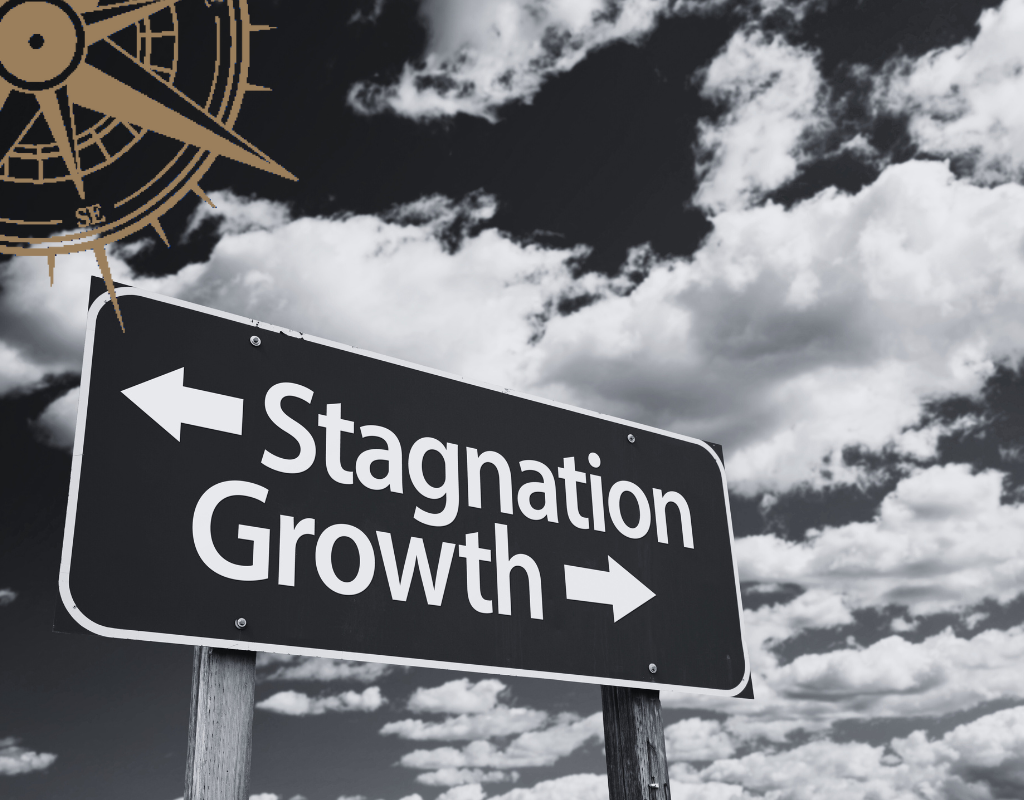
Grow Yourself To Grow Your Business

Smash through growth ceilings,
again and again to new heights
in business, leadership and life.


Most industry leaders arrive at a coaching conversation with strategy on the agenda. Delegation. Vision. Structure. Growth. And somewhere in the process, it becomes about a relationship. A partner who feels like they are competing with the work. A friendship that has faded because the energy to show up for it is gone. A dynamic at home that has calcified into something neither person chose but neither has had the bandwidth to address.


How the Success Identity Reshapes Your Closest Relationships

The identity you build in order to perform at the highest levels is not neutral. It has preferences. It creates distances. And it trains the people around you to relate to your competence rather than to you.

In fact, this is the relational cost most leaders do not see. Over time, the performance becomes the relationship. The people closest to you start responding to the version of you that produces, not the version of you that connects.

And if the identity does not get updated, you end up surrounded by people who respect your output and a sense that few of them are meeting you where you are.


The Internal Split That Shows Up at Home

This is not a story about work-life balance. Instead, it is a story about whether the person behind the performance is still in the room.

When you maintain different versions of yourself in different environments, the internal noise compounds. The leader at the desk. The partner at home. The friend at dinner. Each one is a performance, and each one costs energy.

But the relational cost is not just internal. The people closest to you feel the gap before you name it. They sense the distance. They stop reaching for the version of you that used to be present because that version has been replaced by the one the market built.


What Shifts When Leadership and Relationships Align

The leaders who do this work, who are willing to let the integrated version of themselves lead both at the desk and at the dinner table, do not just become better partners and parents and friends.

In turn, they become cleaner leaders. Because the internal noise settles when you are no longer maintaining different selves in different rooms.

So the question is not whether success has reshaped your closest relationships. It is whether you are willing to see the cost and let the integrated version of yourself show up in the places that matter most.


This is the kind of shift that does not happen in isolation. Book a 45-minute Strategy Call and let’s map what is next.


To your brilliance,

Tanya Cross

Industry Leader Coach & The Coaches’ Coach

BAppSoSc (Counselling) 

Tanya Cross Consulting

Maximum Growth

Success Persona: Why You Are Not Tired From Work

The success persona is the most expensive operating system a leader can run. And most do not realise they are running it.


let’s level up:

Grow Yourself To Grow Your Business

Smash through growth ceilings,
again and again to new heights
in business, leadership and life.


You are not tired from the work. You are tired from the person you are pretending to be while you do it. And most industry leaders arrive at this realisation convinced their exhaustion is a workload problem. They clear the calendar. Hire the second EA. Take the holiday. Reduce the meeting load. And the exhaustion is still there on Monday morning. Because the success persona is still running.


Two Operating Systems Running at Once

What most leaders are carrying is two operating systems. The first is the one they appear to be. The Climber. The Closer. The Composed Authority. The version the market rewarded, the team relies on, and the boardroom expects.

The second is the one they know is true.

In fact, the distance between those two systems is not a mindset issue. It is a metabolic cost. Each suppressed instinct. Each yes that meant no. Each decision made for optics rather than truth. That is energy spent maintaining a mask. And over a decade of compounding choices, the success persona becomes the operating system. And the bill comes due at the summit, not the climb.


How the Success Persona Was Built

Here is the part most performance frameworks do not address. Weakness did not build the persona. Intelligence did. Competence did. Sheer willpower and work ethic did.

The Climber was a precise adaptation to the environment that shaped you. It read the rewards and punishments of the early years and optimised hard. You reinforced the traits that earned approval. And you buried the traits that drew judgment.

But the environment has changed. The scale you have created, the relationships you are responsible for, none of it requires the same configuration that got you here. Yet the success persona is still consuming the resources required to lead the new chapter.
The persona is not the problem to shame. It is the engineering to retire.


Why Working Harder Stops Working

There is a threshold where your current operating system can no longer process the scale you have created. More effort yields more friction, not more results. So you add more discipline, more systems, more accountability.

But the Climber cannot solve the problem the Climber created. Because the Climber is the problem. Your second evolution does not ask you to build a better version of the success persona. Instead, it asks you to dissolve it. And meet what was underneath the whole time.


What Remains When the Identity Lock Dissolves

When the success persona stops running the system, what remains is clarity. Decisions get faster because there are fewer competing identities voting on them. In turn, the calendar simplifies because the obligations that were performances of identity drop away. Relationships clarify because you are no longer performing the version of yourself you thought others wanted.

As a result, composure is no longer a performance. It is the natural state of a leader who has stopped running two operating systems at once.

The question is not whether the second evolution is coming. It is whether you are going to choose it, or wait for it to choose you.


If this landed deeper than strategy, that is worth exploring. Book a 45-minute Strategy Call


To your brilliance,

Tanya Cross

Industry Leader Coach & The Coaches’ Coach

BAppSoSc (Counselling) 

Tanya Cross Consulting

Maximum Growth

Loneliness at the Top: When Success Outgrows Support

Loneliness at the top is a specific kind of isolation that few leaders are prepared for.


let’s level up:

Grow Yourself To Grow Your Business

Smash through growth ceilings,
again and again to new heights
in business, leadership and life.


There is a specific kind of loneliness at the top that does not come from losing people. It comes from outgrowing them.


The Weight You Carry Alone

The higher you climb, the fewer people there are who can meet you where you are. The responsibilities compound, the decisions multiply, and the number of people who can hold the weight of where you are shrinks.


Most leaders manage this in silence. They learn to carry it without showing the strain. They get good at sitting in rooms while their mind is scattered, thinking of the problems they need to resolve. But an unbalanced mind makes you un-present.


And then they come home. The protective instinct kicks in. They keep it from family because they love them and do not want to burden those at home. Which is noble, but isolating.


Or the deeper cut: they cannot bring it home because few people there would understand it either.


But it is not just protection. In fact, it is the grief of realising the gap has followed them through the front door. This is where leadership isolation begins to compound.


What Loneliness at the Top Is Protecting

Underneath this is something most industry leaders will not say out loud: they are not just protecting others from the weight. They are protecting themselves from what it would mean to put it down.


So they avoid the vulnerability of admitting uncertainty. They are terrified to let someone see the version of them that does not have the answer, that is not certain, that is holding far more than they can carry.


Because for leaders who have built their position on being the one who figures it out, being seen in that space does not feel like vulnerability. Instead, it feels like collapse.


As a result, they hold it alone. In the boardroom. On the stage. At the dining table. In the hours past midnight while the rest of the house is asleep.


Yet leader loneliness is not a character flaw. It is a pattern with a cost.


The Toll of Holding It Alone

Holding that stress in silence takes a toll. Just as extreme stress forces biological cells to revert to primitive survival forms, chronic leadership isolation forces leaders out of their highest, most innovative minds and into basic survival mode.


And the loneliness at the top is not just about who is in the room. It is about how long it has been since they let someone in.


But here is what most leaders do not see: the isolation is not the problem. It is feedback.


Loneliness Is Feedback

True stability does not come from the instinct to hide. In turn, it comes from the equilibrating feedback system that is designed to balance your mind.


Your loneliness at the top is this exact internal feedback loop, warning you that you are out of balance.


You may be used to doing it on your own. To holding it together for others. To being the protector.


But loneliness is not a sign of collapse. It is feedback to stop performing, break the patterns that keep you in leadership isolation, and reconnect to the version of yourself that exists beyond the role.


So if you recognised yourself in any of this, that recognition is worth paying attention to.


Book a 15-minute Strategy Call and let’s look at what the loneliness at the top is telling you about what needs to shift.


To your brilliance,

Tanya Cross

Industry Leader Coach & The Coaches’ Coach

BAppSoSc (Counselling) 

Tanya Cross Consulting

Maximum Growth

Peak Authority: What Is the Point of Success?

There is a version of success that few leaders are prepared for. The version where you arrive at peak authority and realise the summit feels hollow.

let’s level up:

Grow Yourself To Grow Your Business

Smash through growth ceilings,
again and again to new heights
in business, leadership and life.


What Peak Authority Costs You

You spent years climbing a specific peak, driven by the need to prove your capability and establish security. And that fuel was useful. It built the business, the reputation, the name that opens doors.


And then you reached the summit and looked around. The hunger that got you there, the drive for recognition, has evaporated.


But you are not questioning the view. You are questioning why the victory feels empty.


Is this the mountain you want to be on? Or has the climb itself become the only thing holding the structure together?


The High-Performance Loop

This is where the psychological dead zone takes hold. You are working harder to stay on a mountain that feels more like a cage.


In fact, your energy is being drained by the exhaustion of playing a role that no longer fits, masked by a sense of obligation to the success you built.


In fact, the internal noise you feel is the friction of a mind trying to sustain a climb that has started to lose its meaning.


Yet you are pushing toward the next ridge out of habit, while realising you have neglected the things that make the summit worth having: your family, your relationships, your health.


What is the point of success if few people are left to share it with?


And what is the point of being the name on the door if the person behind it has become a stranger to themselves?


What the Dead Zone Is Telling You

The psychological dead zone is not burnout. And it is not a crisis of confidence.


Instead, it is identity lag. After all, your capabilities upgraded. Your self-concept did not catch up. The version of you that built this chapter is still running the operating system, and it is demanding output as the price of safety.


So you stay in the loop. More output. Less presence. More competence. Less peace.


But the loop is not sustainable. Because the identity that built the climb was fuelled by proving. And proving has an expiry date. Peak authority was the destination.

The dead zone is what waits when you arrive without updating the identity that got you there.


From the Climber to the Integrated Self

The transition out of the dead zone is not about working harder. It is not a rebrand or a repositioning strategy.


Peak authority was earned. But the identity that earned it is now the limitation.


In turn, it is the internal work of dissolving the Climber identity, the version of you that equates rest with irrelevance and control with safety, so you can operate from a different place.


A place where purpose is not tied to the height of the mountain. Where clarity is not dependent on output. Where the flame that drives you burns with a singularity of purpose across your business, your family, and your health.


This is the shift to the Integrated Self. The version of you where empowerment is not the summit. It is the aligned power and inspired purpose that remains when the noise falls away.


So if you recognised yourself in any of this, if peak authority delivered the result but not the peace, that recognition is worth paying attention to.


Book a 15-minute Strategy Call and let’s look at what dissolving the loop could open up for you.


To your brilliance,

Tanya Cross

Industry Leader Coach & The Coaches’ Coach

BAppSoSc (Counselling) 

Tanya Cross Consulting

Maximum Growth

Identity Lag: The Upgrade That Does Not Feel Like Progress

There is a phase that most industry leaders hit and few have a name for it. It is called identity lag.

let’s level up:

Grow Yourself To Grow Your Business

Smash through growth ceilings,
again and again to new heights
in business, leadership and life.


The Story That Built the Climb


You spent years building toward a level of success that once felt out of reach. The striving, the proving, the pushing, all of it was run by a specific story: I need to be good enough, prove myself, earn my place at the table. That story was useful. And it drove the climb.


And then you arrived. The results are real. The reputation is established. And the competence is not in question.


But the internal operating system did not get the update. Two contradictory tracks are running at once.


On the surface: I have got this. I do not need support. I will figure it out myself.


Underneath: if I let someone see that I do not have the answer, I will lose the respect that feels like the only thing keeping me safe in this room.


Where Identity Lag Shows Up


So you expand in isolation. You white-knuckle each new level alone. You would rather stay stuck than let someone witness you not knowing. And you interpret the discomfort of growth as confirmation of the original wound rather than evidence of the next evolution.


In fact, this is identity lag. Your capabilities have upgraded. Your self-concept has not caught up. You are making decisions from an older version of yourself, the version that was still striving, still proving, still earning. You reach the edge of what you know and instead of recognising it as the beginning of your next evolution, you interpret it as evidence that something needs to shift.


And it does. But not what you think. And as a result, you are overdue for an identity update.


What an Identity Update Requires


Yet an identity update is not a rebrand. It is not a new vision or a repositioning strategy. It is the internal work of dissolving the story that got you here and building the self-concept that matches who you have become.


For most leaders it requires three things.


Identifying the story that drove the climb. Usually something beneath the surface of ambition. Closer to: if I stop proving myself, I will lose what I have built, because somewhere early on, you watched someone you loved lose what they had and you decided that would not be you. In fact, that story was the engine. It also becomes the ceiling.


Dissolving the emotional charge on that old story so it loses its grip on your decision-making. Finding the equal and opposite truth that collapses the one-sided narrative you have been carrying for decades.


In turn, this creates a new internal reference point. Not aspirational. Not future-focused. Present tense. I am the leader this level requires. At the industry leader level, the work is integration, not achievement.


The Question Worth Sitting With


So the identity update is not about becoming someone new. It is about aligning who you are with what you have built, and creating space for the things the climb crowded out: your relationships, your health, the version of yourself that exists beyond the role.


The question is not whether you are capable of the next level. After all, that evidence is there.


Instead, the question is whether you are willing to let the old story retire, and stop identity lag from holding you back from who you are becoming next.


Book a 15-minute Strategy Call and let’s look at what the identity update could open up for you.


To your brilliance,

Tanya Cross

Industry Leader Coach & The Coaches’ Coach

BAppSoSc (Counselling) 

Tanya Cross Consulting

Maximum Growth

Identity Tax: The Cost of Being the Most Capable in the Room

There is a tax that comes with being highly capable, and most leaders are paying it without realising it. It is an identity tax. The price of building your value around being the one who sees, solves, and holds it together.

let’s level up:

Grow Yourself To Grow Your Business

Smash through growth ceilings,
again and again to new heights
in business, leadership and life.


The Identity Tax on Your Team


When you are the one who keeps seeing the angles others miss, solving the problems before they escalate, holding the threads that would otherwise drop, you train the people around you to need you. And in turn, yourself to need to be needed.


In fact, the cost shows up in ways that look like other problems. Delegation that does not land. Teams that are competent but not yet autonomous. A creeping sense that if you stepped back, something important would fall apart.


But the deeper issue is less about the team and more about what your availability has been communicating.


The Competence Trap That Built the Business


When you solve what someone else could have sat with a little longer, you withdraw a unit of their capacity to grow. And you reinforce the version of yourself that believes your value comes from being indispensable.


This is where the identity tax compounds. Not because leaders lack awareness. Because the pattern has been rewarded. It produced results. It also built the business. And it earned the trust. So questioning it feels like questioning the foundation you built on. Yet there is a difference between what got you here and what gets you to what is next.


From Indispensable Leader to Sovereign Presence


The transition requires something most high performers resist: tolerating the gap between what you could do and what you choose to do. Not because you cannot do it faster or better. Because the long game is less about your performance and more about what your presence makes possible in others.


That shift is uncomfortable. And it is unfamiliar. And it may be the most leveraged move available to you at this stage.

The Shift Worth Paying Attention To

The identity tax is not a flaw in your leadership. It is feedback that the structure you built around your competence has outgrown its usefulness.


So if you recognised yourself in any of this, that recognition is worth paying attention to.


Book a 15-minute Strategy Call and let’s look at what the shift from indispensable to sovereign could open up for you.


To your brilliance,

Tanya Cross

Industry Leader Coach & The Coaches’ Coach

BAppSoSc (Counselling) 

Tanya Cross Consulting

Maximum Growth

Integrated Leadership: The Strength That Comes From Integration

Integrated leadership begins with a confronting realisation: the persona that built your credibility may now be the thing limiting your growth.


let’s level up:

Grow Yourself To Grow Your Business

Smash through growth ceilings,
again and again to new heights
in business, leadership and life.


If you are carrying the pressure of needing to appear certain, capable, and in control, this is for you. In high-capacity leadership, identity often becomes linked to external metrics: performance reviews, quarterly results, and market expectations. Over time, you shape your leadership persona around what others praised and distance yourself from what others judged. And that fragmentation becomes a barrier to integrated leadership.


The Persona That Earned Your Position

Most industry leaders build their identity around the specific qualities that earned them trust and credibility: strength, decisiveness, and vision. But sustainable leadership requires more than a polished persona.


Beneath the roles sits a broader range of human traits. Yet when leaders identify with the traits the market rewards, they stop leading and start managing an image.


In fact, this is where the exhaustion begins. Not from the workload. From the cost of maintaining a version of yourself that is incomplete.


Why Integrated Leadership Changes How You Show Up

This internal shift is the engine behind integrated leadership.
When you recognise that the qualities you once resisted also serve a strategic purpose, your leadership becomes more grounded. Judgment loses its grip, and the exhaustion of proving softens.


Instead of reacting to the expectations of stakeholders, you begin to lead from a place of clarity and authentic alignment. You gain the operational space to choose how you show up today, rather than letting past success define you.


So this is where true steadiness comes from. It is not found in holding a perfect image. It is found in knowing that you are more than any single version of yourself.


From Image Management to Leadership Integration

When leadership integration takes hold, your presence carries weight without effort.
You stop filtering decisions through the need for others to perceive you a certain way. And you start making them from a centre that does not shift with external pressure.


In turn, your team responds to the shift before you make a single operational change. Your decisions get cleaner. Your capacity expands. And the energy you were spending on image management returns to the work that matters.


But this shift does not happen through strategy alone. It happens through the internal work of dissolving the fragmented identity and building the integrated version of yourself that your next level of business requires.


The Question Worth Sitting With

Before you optimise your next quarter, sit with this: which version of yourself are you performing, and what would it cost to let that performance go?


The answer to that question will do more for your leadership than any external metric could.
Integrated leadership is not about becoming someone new. It is about letting the full version of yourself lead.


So if you recognised yourself in any of this, that recognition is worth paying attention to.


Book a 15-minute Strategy Call and let’s look at what integrated leadership could open up for you.


To your brilliance,

Tanya Cross

Industry Leader Coach & The Coaches’ Coach

BAppSoSc (Counselling) 

Tanya Cross Consulting

Maximum Growth

Leadership Equilibrium: The Balance Strong Leaders Learn to See

Leadership equilibrium is not something you find by making sense of the hard seasons. It is something you find by seeing the whole picture without needing to spin it.


let’s level up:

Grow Yourself To Grow Your Business

Smash through growth ceilings,
again and again to new heights
in business, leadership and life.


If you are a leader who values clarity but often finds yourself chasing meaning in extremes, this is worth sitting with. There is a moment in the journey where you realise how much effort you have put into making things make sense. And that effort itself becomes a barrier to leadership equilibrium.


The Pressure to Frame Pain as Purpose


The phrase “it all serves a purpose” shows up often in leadership circles. And while it comes from a meaningful place, it can also become a subtle pressure to label what is happening as useful. Especially when things feel anything but.


But business, like life, does not operate in single layers. When you are trying to justify something as meaningful, you may be overlooking the reality that disservice walks right alongside service.


In fact, this is not about being cynical. It is about being honest. And grounded leadership requires that honesty.


What Leaders Are Holding on Both Sides

Industry leaders are often the ones carrying both. The growth and the grind. The praise and the pushback. The breakthroughs and the burnout.


Yet when you frame things as service, you create a lopsided view. Your mind senses it too. That restlessness. That edge of trying to make something fit when it does not land.


Leadership balance does not come from reframing the difficulty as good. Instead, it comes from seeing both sides without needing one to justify the other.


What Shifts When Leadership Equilibrium Takes Hold

When you allow both sides to be seen without the need to spin it, something shifts. You start to feel more grounded. More in charge.


There is less effort in your leadership. More presence in your thinking. And the pressure to extract meaning from pain softens into a deeper appreciation of what is unfolding.


In turn, leadership equilibrium is not something you chase. It is something you recognise when you stop forcing alignment and let the full picture come into view.


So if you recognised yourself in any of this, that recognition is worth paying attention to.


Book a 15-minute Strategy Call and let’s look at what leadership equilibrium could open up for how you lead.


To your brilliance,

Tanya Cross

Industry Leader Coach & The Coaches’ Coach

BAppSoSc (Counselling)

Tanya Cross Consulting

Maximum Growth

Leading Your Legacy: The Shift From Proving to Presence

Leading your legacy does not begin with a new strategy. It begins when you stop building from proof and start leading from who you already are.


let’s level up:

Grow Yourself To Grow Your Business

Smash through growth ceilings,
again and again to new heights
in business, leadership and life.


If you are feeling drained by the pursuit of a version of yourself that fits a mould you did not design, this is worth sitting with. Most industry leaders spend years trying to minimise the traits they have judged and amplify the ones that earned approval. But that divide creates a cost. And leading your legacy requires closing it.


The Cost of Leading From a Divided Identity

When you operate from a filtered version of yourself, the leadership looks right from the outside but feels hollow from the inside. You perform the role instead of inhabiting it.


In fact, the traits you have judged in yourself are not obstacles to your leadership. They are part of the architecture. The directness you softened because it made people uncomfortable. The intensity you dialled back because it did not match the expected tone. Those are not flaws to manage. They are capacities you have not yet integrated.


And until they are integrated, your leadership runs on a partial engine. More effort. Less presence. More proving. Less power.


What Legacy Leadership Asks of You

Legacy leadership is not about becoming someone new. It is about letting the full version of yourself lead.


That means recognising that the setbacks you navigated and the characteristics you questioned have been building something specific. Not despite who you are. Because of who you are.


Yet most leaders resist this. Because accepting the whole version of yourself means releasing the story that certain parts of you are liabilities. And that story has been running the operating system for decades.


So the shift is not about adding more. Instead, it is about stopping the subtraction. Stopping the filtering. Letting integrated certainty replace the performance of confidence.


From Proving to Presence

When this shift takes hold, the change is tangible. Decisions come from clarity rather than compensation. Your team responds to a quality of presence that no strategy document could produce. And the energy you were spending on managing your image returns to the work that matters.


In turn, leading your legacy stops being aspirational and starts being operational. You are no longer building toward a future version of yourself. You are leading from the version that is already here.


But this does not happen through motivation. It happens through the internal work of dissolving the identity split and building the self-concept that matches what you have already achieved.


The question is not whether you are ready for the next level. That evidence is there.


The question is whether you are willing to let the full version of yourself take the lead.


So if you recognised yourself in any of this, that recognition is worth paying attention to.


Book a 15-minute Strategy Call and let’s look at what leading your legacy could open up for you.


To your brilliance,

Tanya Cross

Industry Leader Coach & The Coaches’ Coach

BAppSoSc (Counselling)

Tanya Cross Consulting

Maximum Growth

Nothing Is Missing, What Are You Searching For?